The 5 Deadliest Tree Diseases (including Oak Wilt) in Texas Today
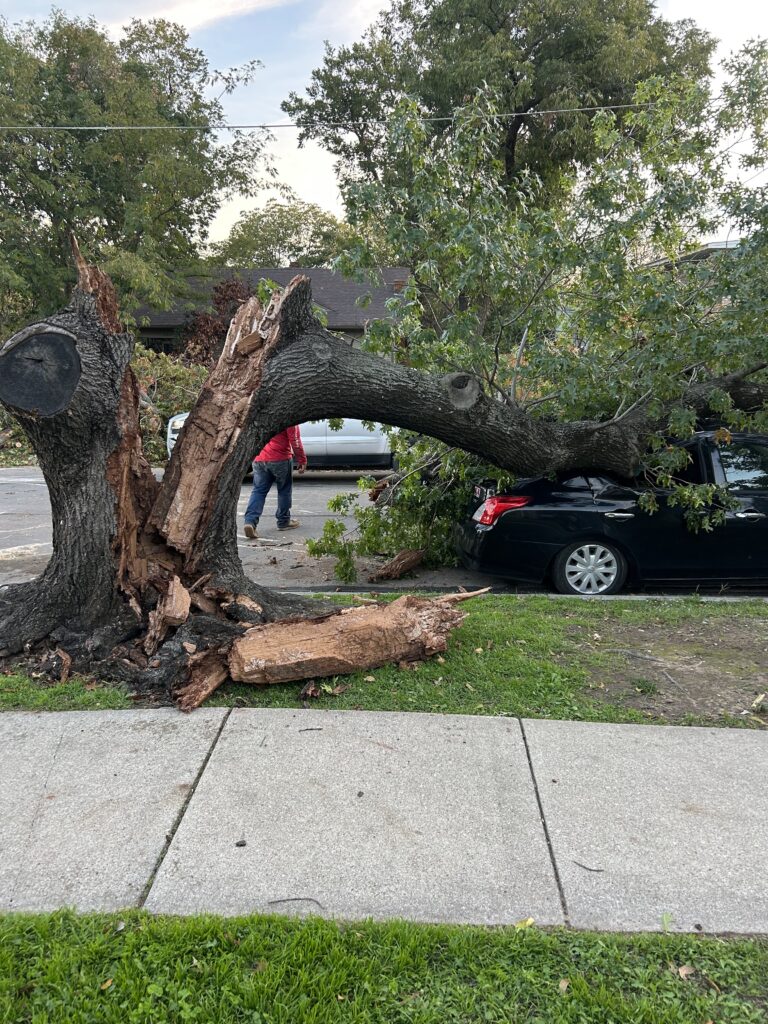
We’d all like to believe that our trees are impervious to anything that could cause them harm and shorten their lifespan. After all, how could something so lush and green one minute become overwhelmed by broken limbs, loose or peeling bark, and weakened branches the next? Sadly, it happens all the time—mostly because of diseases that quickly take over and can be hard to get rid of. They come in many forms, and while some can be managed to a degree, the deadliest tree diseases can spread rapidly, devastate entire species, and leave even healthy-looking trees vulnerable to sudden decline and death.
So, what are the deadliest tree diseases to worry about? Let’s discuss these in today’s blog post. Please keep in mind that not all of the world’s top tree diseases pose a major threat in Texas. So we have limited our list below to Texas (in no particular order).
Top Deadliest Tree Diseases in Texas
Dutch Elm Disease — Caused by the fungus, Ophiostoma novo-ulmi, Dutch Elm Disease is particularly deadly because it invades and blocks the water-conducting systems within trees. It is exclusive to elm trees; in other words, it poses no risk to other tree species. That said, it is highly potent, so much so that once symptoms are noticeable, the tree can die in as little as a few weeks. According to many statistics, the disease has killed over 1 billion elm trees across North America and Europe since the 1930s. Most of this is because of its easy transmission through native elm bark beetles, which carry spores from tree to tree. It can also spread through root grafts.
A few of the more common symptoms of Dutch Elm Disease include:
- Yellowing, curling, and browning leaves on one or more branches
- Branch dieback and progressive wilting
- Dark brown, purple, or streaked wood under the bark
Oak Wilt — This fungal disease kills thousands of trees across 76 Texas counties each year, sometimes within a few months. What makes oak wilt so destructive is that it is a vascular disease. Much like blood vessels in the human body seamlessly move blood and oxygen throughout our bodies, a tree’s internal plumbing moves water and nutrients from the roots underground up to the leaves and through the canopy at the very top. When a tree has oak wilt, this seamless system becomes clogged from the inside. As a result, water can no longer move freely throughout the tree.
A few of the more common symptoms of Oak Wilt include:
- Leaf discoloration (yellowing or bronzing)
- Wilting, starting at the top of the tree
- Leaf drop during the growing season
- Brown or black leaf veins
- Thinning canopy
- Sudden limb death
- Fungal mats under bark
- Brown streaks on the inner sapwood
Are you concerned about the health of your trees? Call Clean Edge Tree Services in Denton. Our arborists are trained to handle all tree service needs, including tree removal. Call us at 940-783-7023 or complete our online form.
Chestnut Blight — Chestnut Blight is caused by the fungus Cryphonectria parasitica. It attacks the bark and cambium of chestnut trees, eventually girdling and killing the tree. The fungus grows in the inner bark and cambium, producing small brownish mycelial fans. Even after the branch or stem is girdled and killed, the fungus continues to colonize it, producing ever more inoculum. As a result, the disease has virtually eliminated mature American chestnuts from the United States.
A few of the more common symptoms include:
- Orange-colored cankers on the trunk and branches
- Sunken or swollen cankers
- Yellowing leaves attached to dead branches
- Dying and cracking bark
Ash Dieback — Specific to ash trees, this highly destructive fungal disease has become a major problem since 2012, causing severe leaf loss and canopy decline. In many cases, the trees die because the fungus progressively damages the vascular tissues, blocking their water and nutrient supply. The prevailing thought is that North America will experience similar threats as the disease continues to spread. It spreads when tiny fungal spores land on the leaves or the base of the trunk.
A few common symptoms of Ash Dieback Disease include:
- Wilted and spotted leaves
- Dark patches called basal lesions at the base of the trunk
- Brittle and falling branches
Sudden Oak Death — The sudden oak death pathogen, Phytophthora ramorum, has been identified on more than 100 diverse plant species; hosts include hardwood and conifer trees, shrubs, herbaceous plants, and ferns. This disease attacks the vascular systems of trees, causing cankers and often killing trees within a few years.
A few common symptoms of Sudden Oak Death include:
- Bleeding, dark-colored cankers on the trunk
- Rapid canopy browning
- Watery or reddish-brown sap from bark lesions
- Beetle infestations
How Do I Protect My Trees From the Deadliest Tree Diseases?
The spread of these tree diseases is accelerated by human activity, climate change, and global trade. Homeowners, forest managers, and city planners can help slow their impact by:
- Remove infected trees promptly
- Only perform tree pruning during the proper time of year
- Avoid damaging tree roots during construction or landscaping
- Monitoring trees for early signs of disease
- Properly disposing of infected wood
- Consulting arborists for treatment or removal
If caught too late, the only solution is tree removal.
Call Clean Edge Tree Service & Removal in Denton Today!!
When you search “tree service near me” or “tree service Denton” for your residential and commercial tree service needs, Clean Edge Tree Service & Removal in Denton, TX, should be your first call every time. We are family-owned and operated, and our arborists have proudly served Denton and the surrounding areas for many years. We have the equipment, experience, and technical know-how to safely and efficiently handle any tree scenario—from a downed tree in the middle of a storm to trimming a few branches, stump grinding, and removing trees that tower 83 feet in the air.
More importantly, we are licensed and insured. We pride ourselves on completing every job safely, efficiently, and with the cleanest edge you’ve ever seen. That said, tree work is a dangerous profession. Accidents can happen to the best of us, and without warning. If and when it does, you want the peace of mind knowing you won’t be left picking up the pieces.
We know you have options when it comes to your tree service and removal needs. There isn’t a tree in Denton that we can’t handle.
Call Clean Edge Tree Service & Removal today!